

Condition guide · 7 min read
Dog Allergy & Itchy Skin in Singapore
Written by Eddie, certified nutrition coach, Optimus Pet · Free nutritionist consult on WhatsApp

✦ Recommended for thisAsk a nutritionist, free
Scratching at 3am. Licking paws until they're red. Ears that smell "off" again.
If that sounds like your furkid, you're not alone. Dog allergies and itchy skin are among the most common struggles Singapore pawrents talk about, and they're exhausting for both of you. You've changed the food, tried the shampoo, maybe been to the vet more than once… and the itch keeps coming back.
Here's what's actually going on, what you can do about it, and how to support your dog's skin from the inside.
Signs of a dog skin allergy
- Constant scratching, biting or rubbing their face on the floor
- Licking or chewing their paws
- Red, pink or bumpy skin, especially on the belly, armpits and inner legs
- Red ears, head shaking, or ear infections that keep returning
- Hair loss, scaly patches, or skin that darkens and thickens over time
- A sour, "yeasty" smell or greasy coat
Itching usually shows up first on the paws, face, ears, armpits and belly. Most of the redness and hair loss you see comes from the dog scratching and licking, not from the allergy itself.
What causes dog allergies?
A dog allergy is the immune system overreacting to something harmless. The three most common triggers are:
- Environmental allergens: dust mites, pollen, grass and mould. Vets call this atopic dermatitis. It often starts between 6 months and 3 years of age and usually needs lifelong management.
- Food: a reaction to an ingredient, often a protein, in the diet (a dog food allergy).
- Fleas: for an allergic dog, even one or two flea bites can set off days of itching.
Why Singapore's humidity makes dog itchy skin worse
Yeast and bacteria love warm, humid conditions, and that's Singapore all year round. When an allergic dog scratches and breaks the skin, those microbes move in and cause secondary infections. Those infections make the itch worse, which leads to more scratching. That's the cycle so many pawrents feel stuck in.
Moisture trapped between toes after a rainy walk, in skin folds, or in floppy ears after a bath makes it even easier for yeast to grow.
Dog food allergy: food trials vs allergy tests
Is it the food? It's one of the most-searched questions in Singapore, and the answer often surprises pawrents.
The dog allergy food trial (elimination diet)
The most reliable way to find out whether your dog has a food allergy is a strict elimination diet, usually a novel-protein or hydrolysed diet chosen with your vet. Research suggests it should run for at least 8 weeks to give a reliable answer. During the trial, your dog eats nothing else: no treats, no table scraps, no flavoured medicines, no supplements unless your vet approves.
If the itch improves, your vet may then reintroduce the old food to confirm what caused the reaction.
What about a dog food allergy test?
Blood, saliva and hair "allergy tests," including many sold online, are not reliable for diagnosing food allergy in dogs. Vets mainly use allergy testing to identify environmental allergens after atopic dermatitis has already been diagnosed, so they can plan allergy shots (immunotherapy). A test result on its own doesn't tell you what your dog is allergic to.
Bottom line: if you suspect food, talk to your vet about a proper food trial rather than spending on a test.
When to see your vet
Please see a vet as soon as possible if your dog has:
- Open sores, bleeding, pus or a strong smell
- Sudden swelling of the face or hives
- Itching that keeps them from sleeping or eating
- Ear pain, or ear infections that keep returning
- Signs that are getting worse despite home care
Skin allergies can look like other problems (mites, infections, hormone issues), so a proper diagnosis matters.
What your vet may do:
- Rule out fleas, mites and infections first
- Recommend a food trial if food allergy is suspected
- Treat any yeast or bacterial infection
- Prescribe medicine to control the itch, or allergy shots for long-term management
Everyday habits that help an itchy dog
- Dry paws, folds and ears after walks, rain and baths
- Keep up flea prevention, all year round
- Bathe as your vet recommends. Medicated or gentle shampoos can help, but over-bathing dries the skin.
- Keep sleeping areas clean, and wash bedding often to reduce dust mites
- Keep them cool. Fans, air-con and shade reduce sweating and skin irritation.
- Stick to one diet while you're investigating, with no "just a little" human food on the side
Supporting healthy skin and coat from the inside
Healthy skin isn't just about what goes on the outside. The skin barrier is built from fats and nutrients your dog gets from food. Vet guidelines list essential fatty acids as one supportive option for allergic dogs. Studies suggest they can help the skin barrier and may make other treatments work better, though they take about 2 months to show results and aren't a quick fix for a flare-up.
That's where daily nutrition comes in.
Optimus Pet Blue Series is a single-ingredient microalgae supplement, made in Taiwan. It's designed to support healthy skin and coat from the inside, along with digestion and overall vitality.
- One ingredient. Nothing hidden, no fillers to worry about.
- Easy to give. A small tablet or a powder mixed into food.
- Works alongside your vet's plan, not instead of it.
Give it time. Skin renews slowly. Use it daily for at least 8 weeks before judging the results. If your dog is on a food trial, ask your vet before adding it.
Buy genuine only from optimuspetsg.com or our official Shopee store (theorganicsanctuary).
Also dealing with tummy trouble? Many dogs with itchy skin also have a sensitive stomach. Read our guide to dog diarrhea & sensitive stomach.
Dog allergy FAQ
What are the most common signs of a dog allergy?
Scratching, licking or chewing the paws, red skin on the belly and armpits, recurring ear infections, and a yeasty smell. Itching on the paws, face, ears, armpits and belly is the classic pattern.
How do I know if my dog has a food allergy?
The reliable way is an elimination diet of at least 8 weeks, guided by your vet. Blood, saliva and hair tests aren't reliable for diagnosing food allergy in dogs.
Can a supplement replace my dog's allergy medicine?
No. Optimus Pet supports healthy skin and coat. It doesn't treat allergies. Never stop a medicine your vet prescribed without talking to them first.
How long until I see a difference?
Give it at least 8 weeks of daily use. Skin cells and coat take time to renew.
Is it suitable for cats?
Yes. The Blue Series is for dogs and cats. For cats, it supports healthy skin and fur.
This page is for general information and is not veterinary advice. Optimus Pet products are food supplements and are not intended to diagnose, treat, cure or prevent any disease. Please consult your veterinarian about your pet's health.
Sources
- Merck Veterinary Manual. Canine Atopic Dermatitis.
- Olivry T, Mueller RS, Prélaud P. Critically appraised topic on adverse food reactions of companion animals (1): duration of elimination diets. BMC Veterinary Research, 2015.
- Vet Times. Using essential fatty acids in canine atopic dermatitis.
- American Kennel Club. Yeast Dermatitis in Dogs.
✦ Real results
Families who've been there.
Every pet is different, and results vary. Tap a story to hear it from their family.
What owners have reported to us
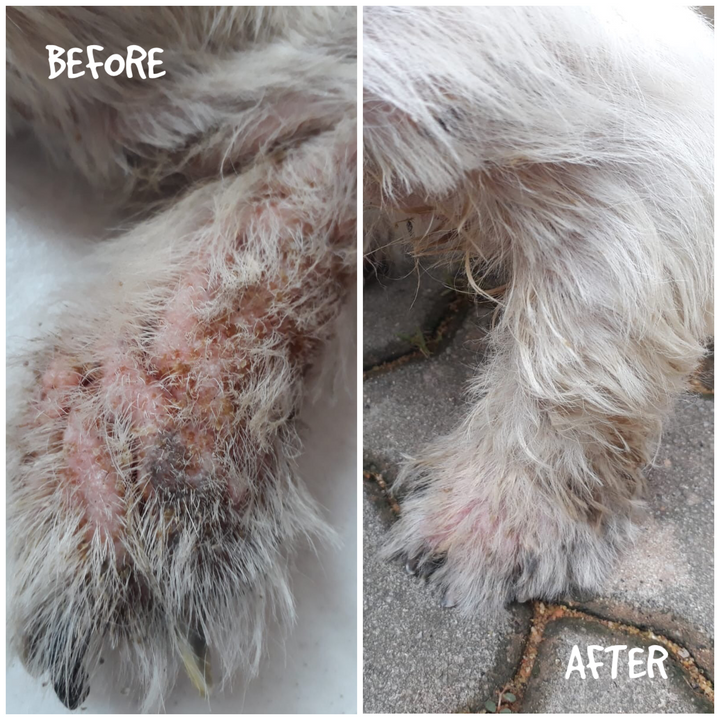
- Calmer skin
- Fur growing back
- Less itching and licking
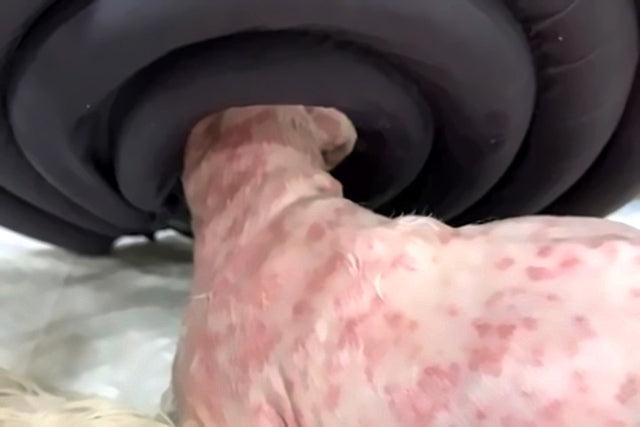
Thank you for solving my issue that bothers me for many years.
Cat
Oyen
Dog
Brandi
Dog
Momo
CancerSupport through treatmentDiarrhea & sensitive stomachSoft stool, upset tummy, stressKidney diseaseThirst, weight loss, senior petsLiver healthDetox, appetite, jaundiceJoints & arthritisStiffness, limping, slowing downDiabetes & blood sugarThirst, weight, blood sugarHeart healthCoughing, tiring, circulation